Digital Signage That Works Around the Clock
Commercial-grade displays, cloud content management, and expert deployment so your screens always show the right message at the right time.
End-to-End Digital Signage, Deployed and Managed
Every Screen Has a Job to Do
The right content on the right screen drives measurable results across every industry we serve.
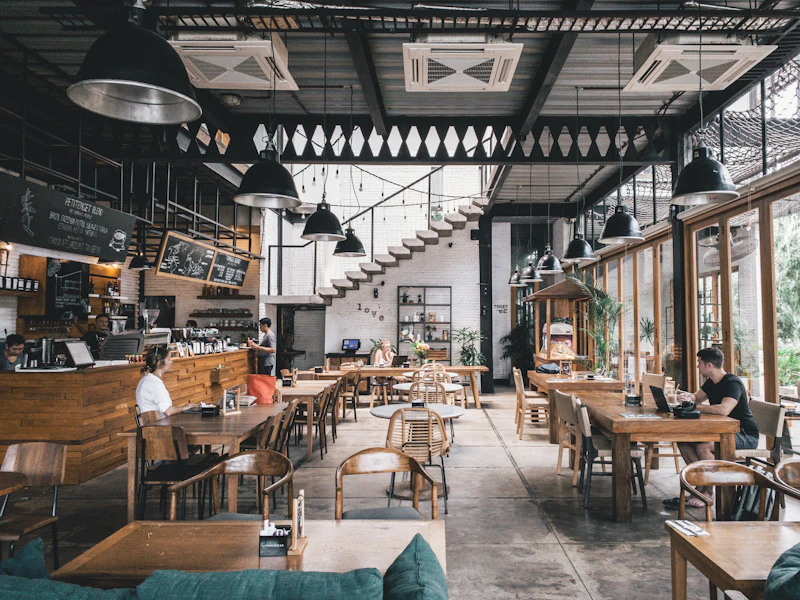
Restaurant Menu Boards
Dynamic pricing, daypart switching, and instant updates to every location.

Healthcare Wayfinding
Lobby directories, wait times, and department messaging integrated with Epic and Cerner.
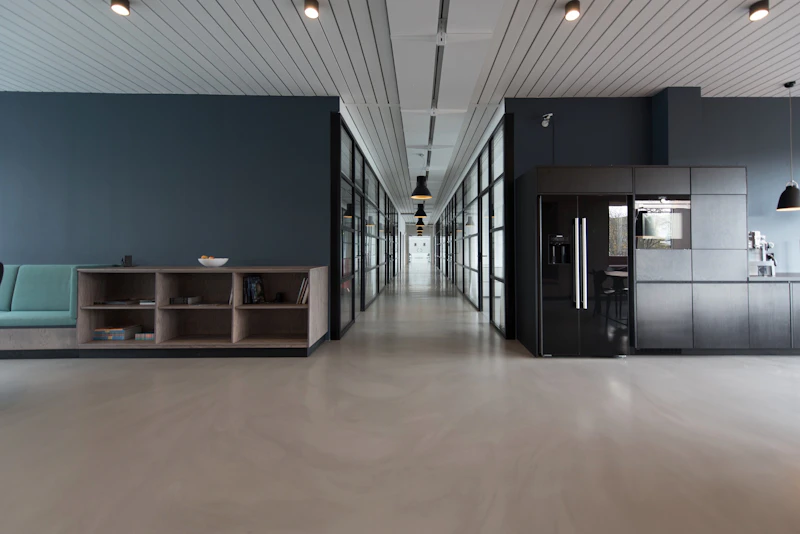
Corporate KPI Dashboards
Live performance metrics and shift goals broadcast to the floor in real time.

Retail Promotions
Targeted promotions tied to time of day, inventory, or local events without reprinting.
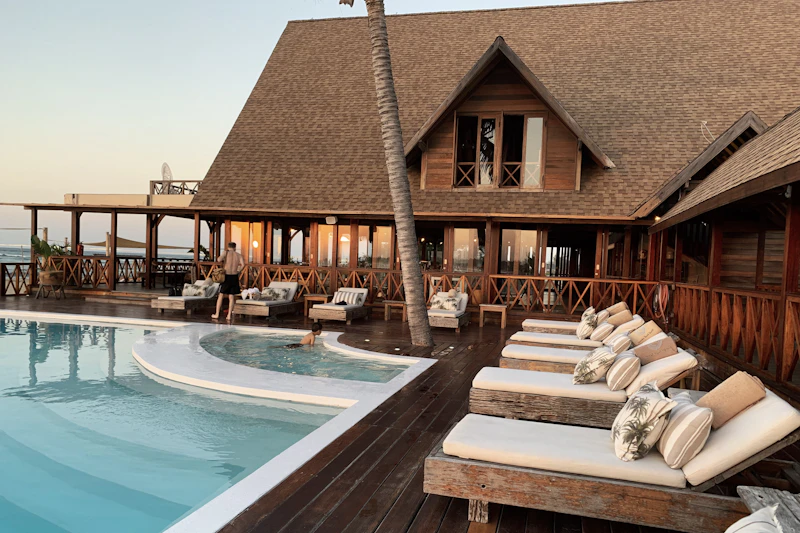
Hospitality Experiences
Lobby art, event signage, and amenity directories that update for each guest group automatically.
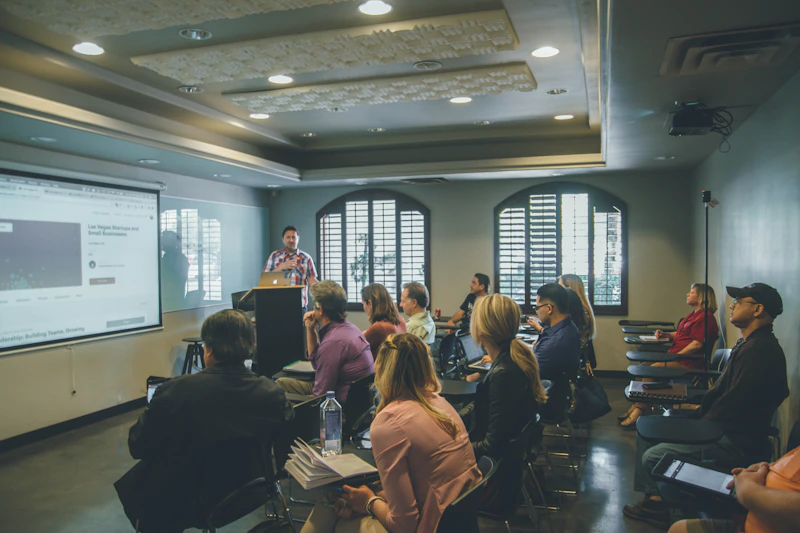
Campus and Education
Announcements, menus, emergency alerts, and events managed centrally with per-screen scheduling.
Commercial Displays Built for Continuous Use
Consumer televisions are designed for 4 to 6 hours a day. Commercial signage hardware runs 16 to 24 hours continuously, with a built-in operating system that removes the need for a separate media player entirely.
QB Series
350 nit, 16/7 operation, 43" to 75"
- Indoor lobbies, corridors, and offices
- Built-in Tizen OS, no media player needed
- Anti-glare panel for controlled lighting
- Native Samsung VXT CMS
- 3-year commercial warranty
QH Series
700 nit, 24/7 operation, 43" to 90"
- High-brightness for well-lit environments
- Built-in Tizen OS, no media player needed
- Heat-rated for full-load continuous operation
- Native Samsung VXT CMS
- 5-year commercial warranty
Samsung VXT, Cloud CMS Built Into Every Screen
Samsung VXT runs directly on the display. Design, schedule, and publish from any browser. No on-site server, no player box, no extra hardware anywhere on your network.
Synced Playback
Keep multiple screens in perfect sync across zones or locations.
Conditional Displays
Show different content based on time, date, location, or data triggers.
Publish Date Control
Schedule campaigns weeks ahead with automatic start and end times.
Bulk Screen Setup
Push content to hundreds of screens simultaneously in seconds.
Preset Configurations
Save templates and layouts for rapid reuse across campaigns.
Auto-Dimming Timers
Protect displays and cut energy costs with scheduled brightness.
Proactive Alerts
Get notified instantly when any display loses connectivity.
Energy Monitoring
Track power consumption across your entire fleet from one dashboard.
From Blank Wall to Live Screen
Planning
- Site walk and lighting assessment
- Screen size and placement mapping
- Content strategy and templates
- Network and connectivity review
Purchasing
- Commercial display procurement
- Mounting hardware sourced
- CMS licensing and account setup
- Content pre-loaded before arrival
Installation
- Professional wall mount and cabling
- CMS activation on every screen
- Content verified at each display
- Staff training and documentation
3 Mistakes to Avoid Before You Buy
Buying Consumer Televisions
Undersizing Screens for the Space
Skipping a Content Strategy
Common Questions
Everything you need to know before committing to a deployment.
Let's Build Your Digital Signage System
Tell us about your locations, goals, and timeline. We will put together a hardware recommendation, pricing, and deployment plan at no cost to you.
 Contact Us Today